

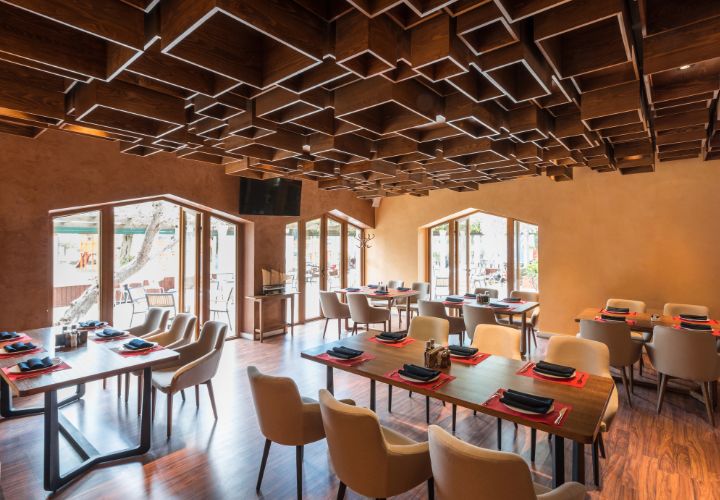
Starting a restaurant is not only about recipes and decor. It is a complete business project with planning, money management, legal work, marketing, and team building. This practical restaurant business startup checklist walks you step by step from idea to launch. Use each section, tick every box, and build a professional restaurant that can grow, survive competition, and serve customers with confidence.
Business Idea & Problem Validation checklist
Your restaurant idea must solve a real customer problem, not just be a dream on paper. This stage of the startup checklist confirms that your concept, cuisine, and pricing make sense in real life. Validate before you invest so you can reduce risk and build with confidence.
When you validate the idea properly, you stop guessing and start building on real customer needs. This clarity makes your restaurant business startup stronger, improves marketing messages, and helps you explain your vision to partners, landlords, and investors in a more professional way.
Market Research checklist
Effective market research answers a simple question: is there enough demand in this area for the kind of restaurant you want to open. You study people, traffic, spending capacity, and eating habits. This research will guide your menu, location, and pricing decisions more accurately.
Good research prevents you from choosing the wrong location or wrong concept. It shows whether you need a quick service format, a casual dining space, or delivery first approach. This step in the restaurant business startup checklist protects your money and time.
Competitor Analysis checklist
Competitors teach you what already works and where customers feel disappointed. A structured competitor analysis looks at menus, prices, reviews, and service style. Instead of copying, you use this information to position your restaurant as a better, sharper solution in the same area.
When you know competitors deeply, you avoid weak positioning and can design a smarter concept. This gives you a clear story for marketing and better expectations for performance. It is a practical foundation for a competitive restaurant business plan.
Target Audience Definition checklist
Your restaurant cannot serve everyone equally well. Defining a sharp target audience helps you decide menu, decor, pricing, and marketing style. The clearer you are about who you serve, the easier it becomes to attract and retain loyal, profitable customers.
Once your ideal customer is clear, every decision becomes more focused. You can speak their language, design offers they care about, and choose locations that match their lifestyle. This focus is a powerful advantage in the restaurant startup journey.
Business Model Selection checklist
Your business model decides how you operate daily and how you make money. You might choose dine in, cloud kitchen, food truck, or a combination. Each option changes your costs, required staff, and growth potential, so this choice must be deliberate and thoughtful.
A clear model keeps you from changing direction every few months. It grounds your restaurant in a defined way of serving and earning. This stability supports better planning, better staffing, and more predictable performance over time.
Legal Structure & Registration checklist
The right legal structure protects your personal assets and defines how profits and responsibilities are shared. Proper registration also builds credibility with banks, landlords, and vendors. Taking this step seriously turns your restaurant from a hobby into a real, recognized business.
When your structure and registration are in place, many future processes become easier. You can apply for loans, sign leases, and onboard investors with more trust. This legal foundation is essential for any serious restaurant business startup checklist.
Licenses & Permits checklist
Restaurants run under strict health and safety regulations. Getting all required licenses and permits in order saves you from penalties, forced closures, and reputation damage. It also shows customers that you take hygiene, safety, and legal compliance seriously from day one.
Complete licensing builds a strong compliance foundation and reduces operational anxiety. When inspections happen, your documents and practices are ready. This discipline supports long term operations and protects the long term value of your restaurant brand.
Startup Budget & Cost Planning checklist
A detailed startup budget is a powerful decision tool. It shows how much cash you need, where it will go, and how long it might last. Careful cost planning helps you avoid overspending, hidden surprises, and dangerous early cash shortages.
With a clear budget, you know exactly what you can afford and when you might need extra capital. This allows more confident negotiations and smarter trade offs. It is a core building block for a stable and professional restaurant startup.
Funding & Capital Sources checklist
After defining your budget, you must plan how to finance it. Smart funding decisions balance personal savings, partners, and external lenders. You want enough capital to survive slow months without taking on debt that suffocates your restaurant from the beginning.
A thoughtful funding strategy gives you financial breathing room during the first critical year. You can focus on quality, team training, and customer experience instead of constant money panic. This supports a healthier, more sustainable restaurant business over the long term.
Product/Service Development checklist
Your menu and service are the heart of your restaurant. They must be exciting for customers and practical for your kitchen. Designing a focused, profitable menu and a smooth service style ensures consistency, speed, and a strong overall dining or delivery experience.
A well designed menu reduces waste, speeds up service, and builds a clear identity for your restaurant. When customers know what you are famous for, they return more often. This focus directly supports both revenue growth and brand strength.
Branding & Identity Setup checklist
Strong branding makes your restaurant recognizable and memorable. It includes your name, logo, colors, and the feeling your place creates. A clear brand identity helps you stand out in crowded markets and makes it easier for happy guests to recommend you.
Consistent branding builds trust and emotional connection with guests. It signals professionalism, quality, and care. Over time, your restaurant brand can become an asset by itself, supporting higher pricing, easier marketing, and expansion into new locations or products.
Pricing Strategy checklist
A smart pricing strategy keeps your restaurant profitable while still feeling fair to customers. You must connect your food cost, overheads, and positioning to final menu prices. Even small mistakes here can seriously damage margins and long term cash flow.
Effective pricing supports both customer satisfaction and business stability. When prices are aligned with value, guests feel happy to pay and return. This balance is essential for a healthy restaurant business startup in competitive markets.
Marketing Strategy checklist
Your marketing strategy explains how people will discover your restaurant and why they should care. It connects offline visibility, online content, and offers. Planning ahead helps you build steady awareness instead of relying only on random walk ins or discounts.
Planned marketing turns your restaurant into a visible, interesting brand and not just another name on a street. It also reduces dependence on third party apps and pure luck. Over time, a strong marketing engine becomes a key driver of growth.
Sales Strategy checklist
While marketing brings people to you, your sales strategy maximizes the value of each visit. It focuses on average bill value, repeat visits, and gentle upselling. A clear approach here can significantly raise revenue without aggressive or uncomfortable tactics.
A structured sales approach helps you make the most of every seat, every hour, and every order. Small improvements here compound into significant profit gains over time. This discipline separates professional restaurant businesses from casual experiments.
Technology & Tools Setup checklist
Modern restaurants run on technology and tools behind the scenes. A good system for billing, inventory, and staff scheduling reduces stress and human error. Setting up the right tools early creates cleaner data, smoother operations, and better decisions for your restaurant.
Reliable technology frees your team to focus on guests instead of paperwork and confusion. It also creates clear records for accounting, analysis, and future funding discussions. This digital backbone is important for building a scalable restaurant business.
Website & Online Presence checklist
Your online presence is often where customers first decide whether to visit you or order from you. A simple website, updated listings, and active social profiles build trust. Treat your digital image with the same care as your physical interiors and menu.
A strong digital presence helps people find you quickly, trust you faster, and share your restaurant with friends. It also supports search visibility and online ordering. In modern markets, this online foundation is essential for long term restaurant success.
Accounting, Tax & Compliance Setup checklist
Clean accounting and tax systems keep your restaurant financially healthy and legally safe. When every sale, expense, and salary is recorded properly, you always know your true performance. This clarity supports growth, funding, and peace of mind for the owner.
Good financial discipline turns your restaurant into a serious, investable business. It supports better decision making, protects you during audits, and reveals hidden profit opportunities. This is one of the most important long term strengths you can build.
Logistics & Operations Planning checklist
Smooth operations and logistics keep your restaurant running reliably every single day. Planning suppliers, delivery timings, kitchen layout, and cleaning routines reduces chaos. When systems are clear, your team can focus on food quality and guest satisfaction.
Strong operations reduce waste, prevent delays, and support consistent guest experience. They also make it easier to train new staff and scale to more locations. This behind the scenes discipline is a major advantage in the restaurant industry.
Team Hiring or Outsourcing checklist
Your team represents your restaurant every day, more than any advertisement. Hiring or outsourcing the right people ensures quality, hygiene, and friendly service. You need clear roles, fair policies, and ongoing training to keep performance high and turnover low.
A strong team culture creates a consistent experience for guests and reduces daily stress for owners. When people know what to do and feel respected, they perform better. This people strength is one of the best competitive advantages any restaurant can build.
Launch Planning & Growth Roadmap checklist
Your restaurant launch is the first chapter, not the whole story. A clear growth roadmap sets goals for the first year and beyond. Planning soft opening, grand opening, and regular reviews gives you structure instead of leaving everything to chance.
With a clear launch and growth plan, you treat your restaurant like a long term business, not a short experiment. You stay focused on improvement, numbers, and guest experience. This mindset greatly increases your chances of building a successful, scalable restaurant brand.


